
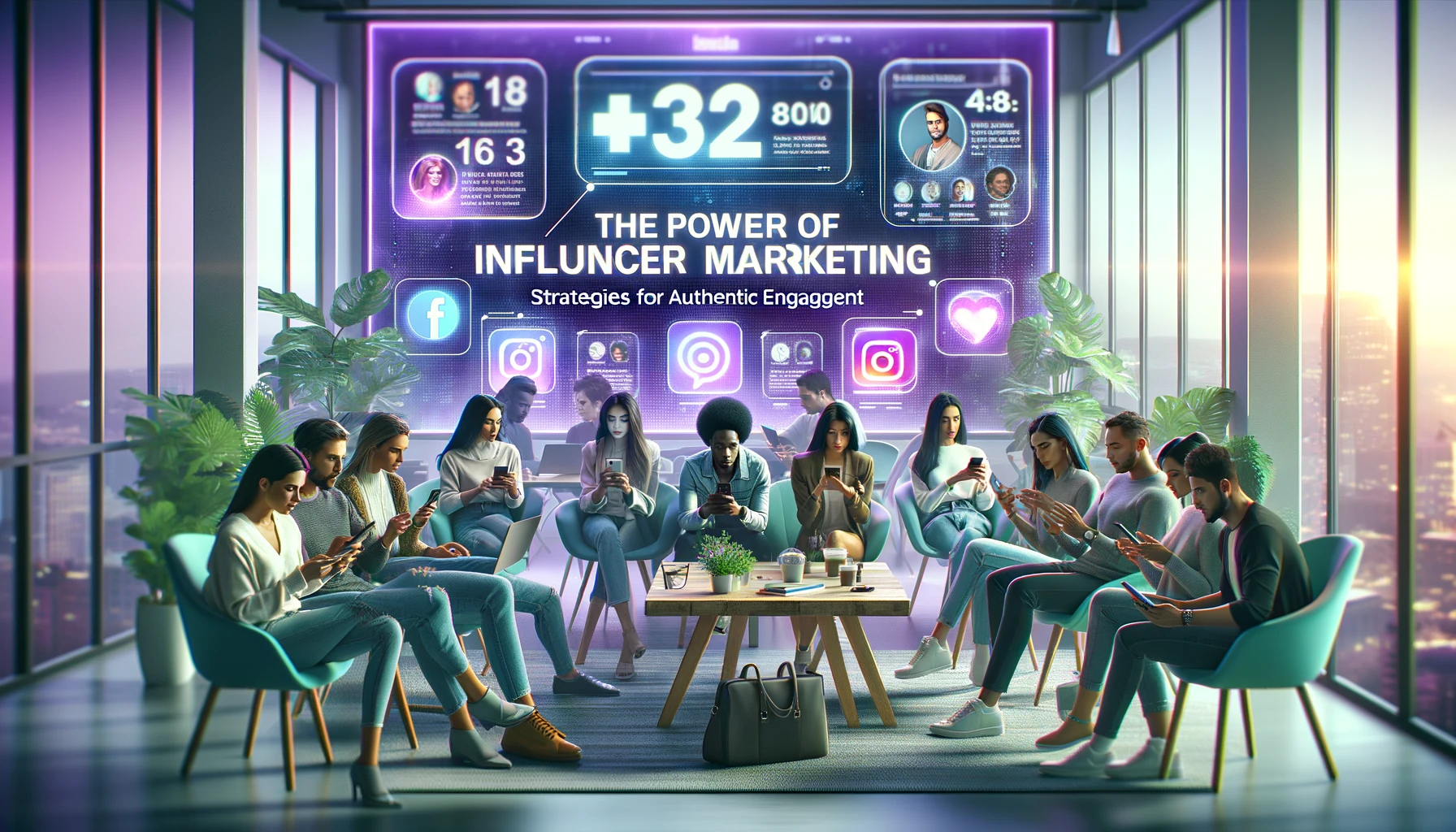
Influencer marketing has grown up. The era of paying a celebrity to hold your product and smile is largely over — and good riddance. What’s replaced it is something more nuanced, more measurable, and significantly more effective when done right.
In 2026, the brands winning at influencer marketing aren’t the ones with the biggest budgets. They’re the ones with the clearest strategy.
Why Influencer Marketing Still Works — When Done Right
At its core, influencer marketing works because people trust people more than they trust brands. A recommendation from someone you follow — someone whose taste you respect, whose life resembles yours, whose opinion you’ve come to rely on — carries more weight than any ad you’ll ever run.
The challenge is that most brands approach influencer marketing backwards. They start with reach and work backwards to relevance. The right approach is the opposite — start with relevance and let reach follow.
The Shift to Micro-Influencers
The data is clear and has been for years. Influencers with smaller, highly engaged audiences consistently outperform mega-influencers on the metrics that actually matter — click-through rate, conversion rate, and cost per acquisition.
An influencer with 8,000 deeply engaged followers in your exact niche is worth more than one with 800,000 followers who barely glance at sponsored content. The audience is smaller but the signal is stronger and the trust is real.
For most brands — especially those in specific geographies, verticals, or audience segments — micro-influencers between 5,000 and 50,000 followers are the sweet spot. They’re accessible, affordable, and their audiences actually listen.
Authenticity Isn’t Optional
Consumers in 2026 have spent years being marketed to through influencer channels. They know what a paid post looks like. They know when someone is reading off a script. They know when the enthusiasm is manufactured.
The brands that win are the ones that build genuine relationships with influencers who actually use, believe in, and care about what they’re promoting. That starts with selection — choosing partners whose existing content already aligns with your brand values — and continues through the creative process, giving influencers enough freedom to communicate in their own voice rather than yours.
Influencer content that sounds like an ad performs like an ad. Influencer content that sounds like a recommendation performs like a recommendation.
Content Repurposing — The Multiplier Most Brands Miss
One of the most underutilized aspects of influencer marketing is what happens after the post goes live. The content an influencer creates — photography, video, testimonials — has value far beyond the original platform and the original post date.
Smart brands repurpose influencer content across:
- Paid social ads — authentic UGC consistently outperforms studio creative in Meta and TikTok campaigns
- Email marketing — real people using real products build credibility in the inbox
- Website product pages — influencer photography often outperforms brand photography on conversion
- Organic social — extends the content calendar without additional production cost
This is where content creation and distribution strategy connects directly to influencer investment — the two should be planned together, not separately.
Measuring What Actually Matters
Too many influencer campaigns are evaluated on vanity metrics — likes, views, follower counts. Those numbers feel good but they don’t pay invoices.
The metrics worth tracking are engagement rate, click-through rate, conversion rate, cost per acquisition, and earned media value. If your influencer partner can’t provide these or your agency can’t track them, the campaign isn’t being run properly.
At Mx2 every digital campaign — including influencer activations — is tracked through our KPILogic Engine, which connects influencer activity to actual business outcomes. No guesswork, no vanity metrics, no “awareness” as a standalone objective.
Building Long-Term Partnerships Over One-Off Posts
The most effective influencer programs aren’t transactional. They’re relational. A single sponsored post creates a moment. A six-month ambassador relationship creates a narrative — and audiences notice the difference.
Brands that invest in ongoing influencer relationships see compounding returns. The influencer’s audience becomes familiar with your brand over time, trust builds incrementally, and conversion rates improve with each subsequent touchpoint.
Think of it less like advertising and more like experiential marketing — building genuine brand experiences that create lasting impressions rather than momentary attention.
The Bottom Line
Influencer marketing in 2026 is a serious, measurable, high-ROI channel when approached with the same strategic rigor as any other part of your marketing mix. It requires the right partner selection, genuine creative freedom, disciplined measurement, and a long-term mindset.
If you want to build an influencer strategy that drives real results for your brand — not just impressions — let’s talk.